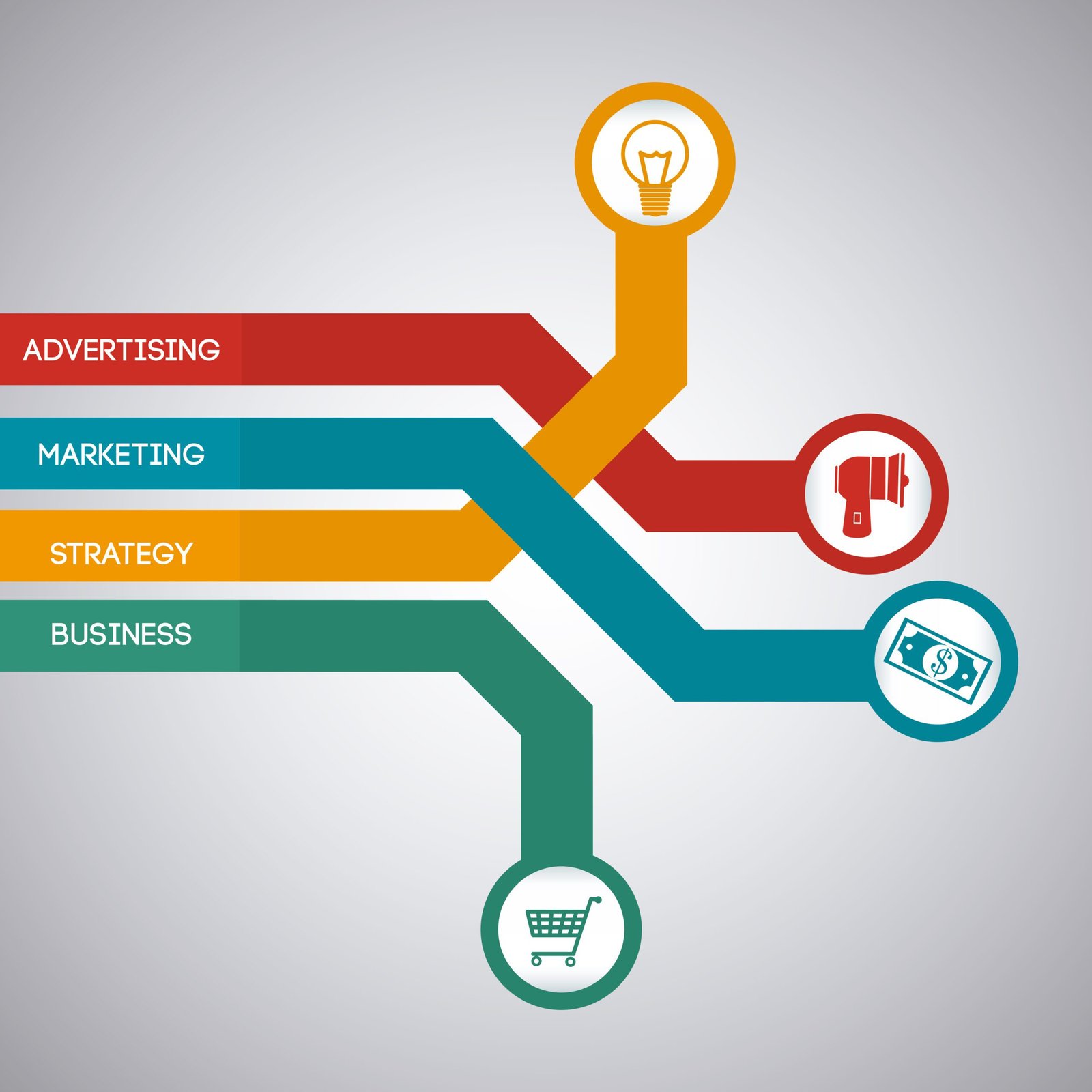
The digital agency landscape has changed dramatically over the past decade.
In the past, agencies were limited by geography.
Teams worked from one office, hired locally, and served mostly nearby clients.
Today, technology has completely transformed how agencies operate.
Modern digital agencies are global, remote, and system-driven.
This shift allows them to deliver better talent, faster execution, and more flexible solutions for businesses around the world.
Let’s explore how the modern agency model works.
The Traditional Agency Model
Traditional agencies typically operate with:
- a central office
- locally hired employees
- fixed working hours
- limited specialization within the team
While this model worked in the past, it often creates limitations such as:
- higher overhead costs
- restricted access to talent
- slower project turnaround
Businesses today expect faster, more flexible digital solutions.
That’s where modern agency structures come in.
The Rise of Global Talent
One of the biggest changes in the digital industry is access to global talent pools.
Modern agencies are no longer limited to hiring only within one city or country.
Instead, they build networks of specialists across the world, including:
- designers
- developers
- branding strategists
- content specialists
- automation experts
This allows agencies to bring the best expertise for each project, rather than relying on a limited in-house team.
Why Modern Agencies Focus on Systems Instead of Individuals
One of the biggest lessons from successful digital agencies is that consistent results come from systems, not individuals.
Top-performing agencies structure their work around repeatable frameworks:
• discovery processes
• project management systems
• standardized delivery workflows
• quality assurance checkpoints
This ensures that every project follows a clear roadmap.
Instead of relying on a single designer or developer, structured agencies coordinate specialists through proven systems.
For clients, this means:
- more predictable timelines
- better quality control
- smoother communication
Strong systems are often what separates professional agencies from freelance-style operations.
Remote Collaboration Tools Power Modern Agencies
Remote collaboration is now seamless thanks to modern tools such as:
- project management platforms
- video conferencing systems
- cloud-based design tools
- real-time communication channels
These tools enable distributed teams to collaborate efficiently regardless of location.
For clients, the experience remains structured and professional — often more streamlined than traditional office-based workflows.
Why the Global Agency Model Benefits Clients
This modern model offers several advantages for businesses.
Access to Specialized Talent
Instead of relying on a single local team, agencies can assemble specialists tailored to each project.
Faster Execution
With distributed teams, work can progress across different time zones, accelerating project timelines.
Greater Flexibility
Agencies can scale resources depending on project needs without compromising quality.
Competitive Pricing Structures
Lower overhead costs allow modern agencies to invest more in expertise and technology rather than expensive office infrastructure.
Online Credibility Matters More Than Location
In today’s digital economy, credibility is no longer defined by office location.
Instead, businesses evaluate agencies based on:
- professional websites
- online presence
- client communication
- transparency
- portfolio quality
- responsiveness
Trust is built through digital credibility and consistent delivery, not physical proximity.
The Hybrid Agency Model
Many successful agencies today operate with a hybrid approach:
- core leadership team
- global specialist network
- structured project management systems
This allows agencies to maintain strategic direction while leveraging global expertise.
What Businesses Should Look for in a Modern Agency
When evaluating a digital agency today, consider:
- clarity of process
- communication transparency
- structured workflows
- ability to assemble specialized teams
- long-term strategic thinking
These factors often matter far more than geographic location.
How Modern Agencies Maintain Quality With Global Teams
A common question businesses ask is:
“How do remote teams maintain quality?”
Modern agencies solve this through structured operational frameworks, including:
• centralized project management
• standardized review checkpoints
• collaborative design and development tools
• documented processes and workflows
Projects are typically overseen by a central strategy or project leadership team that ensures every stage meets defined quality standards.
This model allows agencies to combine global expertise while maintaining consistent delivery.
For clients, the result is a streamlined experience with clear communication and organized execution.
The Future of Digital Agencies
As technology continues to evolve, the global agency model will likely become even more common.
Businesses increasingly value:
- agility
- specialized expertise
- scalable collaboration
Modern agencies built around global talent networks are well positioned to meet these expectations.
Why More Businesses Are Choosing Remote-First Agencies
The shift toward remote collaboration accelerated dramatically in recent years.
Businesses increasingly choose remote-first agencies because they offer:
• broader talent access
• flexible collaboration
• faster execution cycles
• modern technology integration
For many organizations, working with distributed teams has become the new normal.
In many cases, this approach provides more specialized expertise than traditional local agencies.
Final Thought
The digital world is no longer limited by geography.
Modern agencies combine global expertise, structured systems, and digital collaboration to deliver smarter solutions for businesses everywhere.
For companies seeking flexible, forward-thinking partners, this model offers powerful advantages.
Frequently Asked Questions
Do digital agencies really work with global teams?
Yes. Many modern agencies collaborate with specialists worldwide while managing projects through centralized systems and structured workflows.
Is working with a remote agency reliable?
With modern project management tools and communication systems, remote collaboration can be highly efficient and organized.
How do agencies coordinate distributed teams?
Most agencies use collaborative platforms, structured project timelines, and leadership oversight to ensure smooth coordination.
Does working with a global team reduce quality?
Not necessarily. In many cases, global talent access allows agencies to bring specialized expertise that may not be available locally.
What should businesses look for in a modern digital agency?
Businesses should look for agencies that emphasize clear processes, structured communication, strategic thinking, and long-term scalability.
A New Generation of Digital Agencies
The agency industry continues to evolve.
Modern agencies are becoming:
• more global
• more system-driven
• more specialized
• more flexible
Businesses that embrace these new collaboration models often gain access to a broader range of expertise and scalable digital solutions.